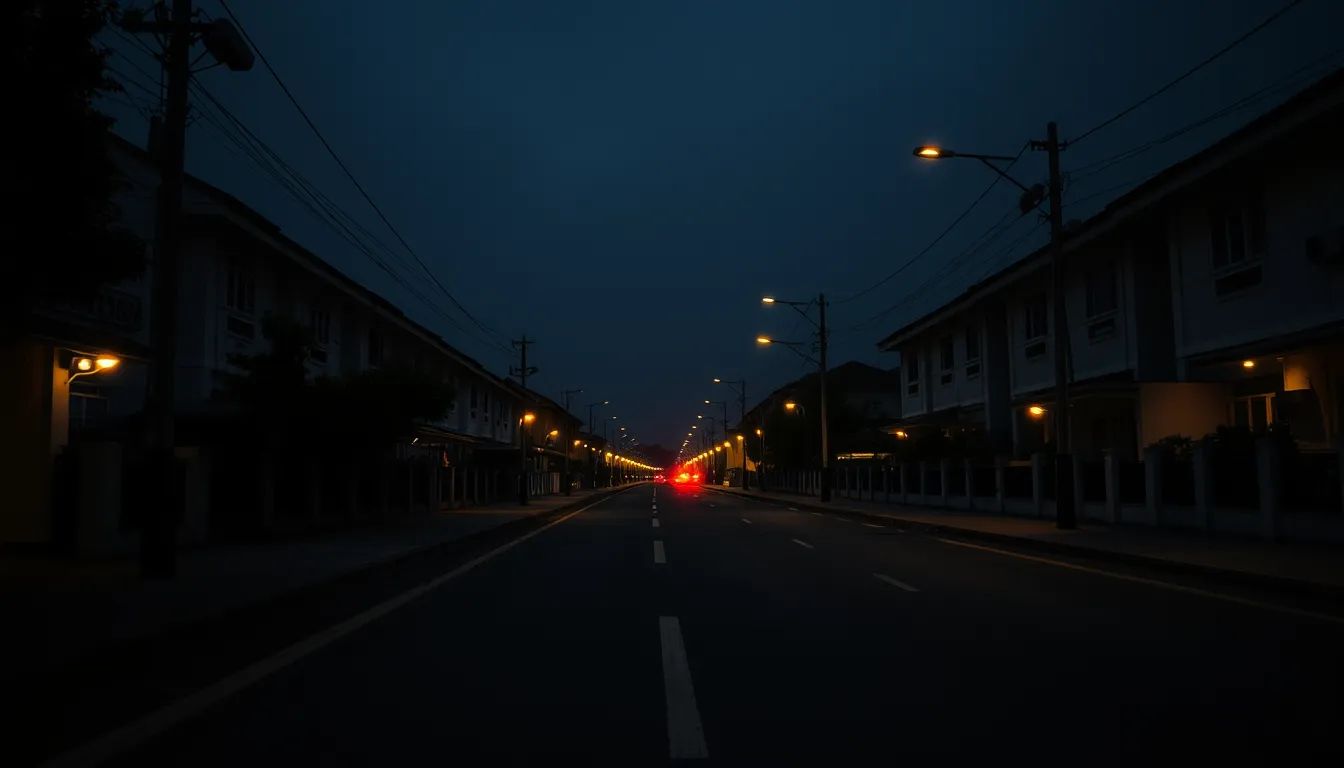
It's 10:15pm and the walk from Somerset MRT to your block takes six minutes, past a row of shuttered shophouses and one 24-hour laundromat still lit up. You've done this walk two hundred times. Tonight, a man forty metres back has changed pace twice to match yours, and you noticed on the second one, not the first.
That noticing is situational awareness working as intended: a specific, learnable set of habits for reading an ordinary environment closely enough to catch the one thing that doesn't belong. What follows is what those habits actually look like on an ordinary walk, not the version of the term used in a cockpit or a corporate risk report.
Situational awareness, in the personal-safety sense, is the habit of knowing your normal environment well enough to notice when something in it changes. It has nothing to do with a cockpit checklist or a hedge fund's risk desk. It is trained through short, repeated sessions, the same way a reflex is trained, and it works by widening what you notice, not by making you suspicious of everyone around you.
What situational awareness means for someone walking through a city
Search the phrase and much of what comes back is aviation checklists, workplace-safety audits, or a hedge fund describing how well it reads a market. All are legitimate; none of them matter when you're deciding whether to cross the road early or keep walking. The personal-safety version is narrower and more physical: your surroundings and the people moving through them, read for whatever in that picture has just changed.
Eleven years with the Singapore Police Force, then twenty-two more running regional security for companies across Asia-Pacific, is where most of what follows comes from, and almost all of it is unglamorous: the same handful of habits, run consistently enough that they stop feeling like effort.
Baseline and anomaly: the habit under all the others
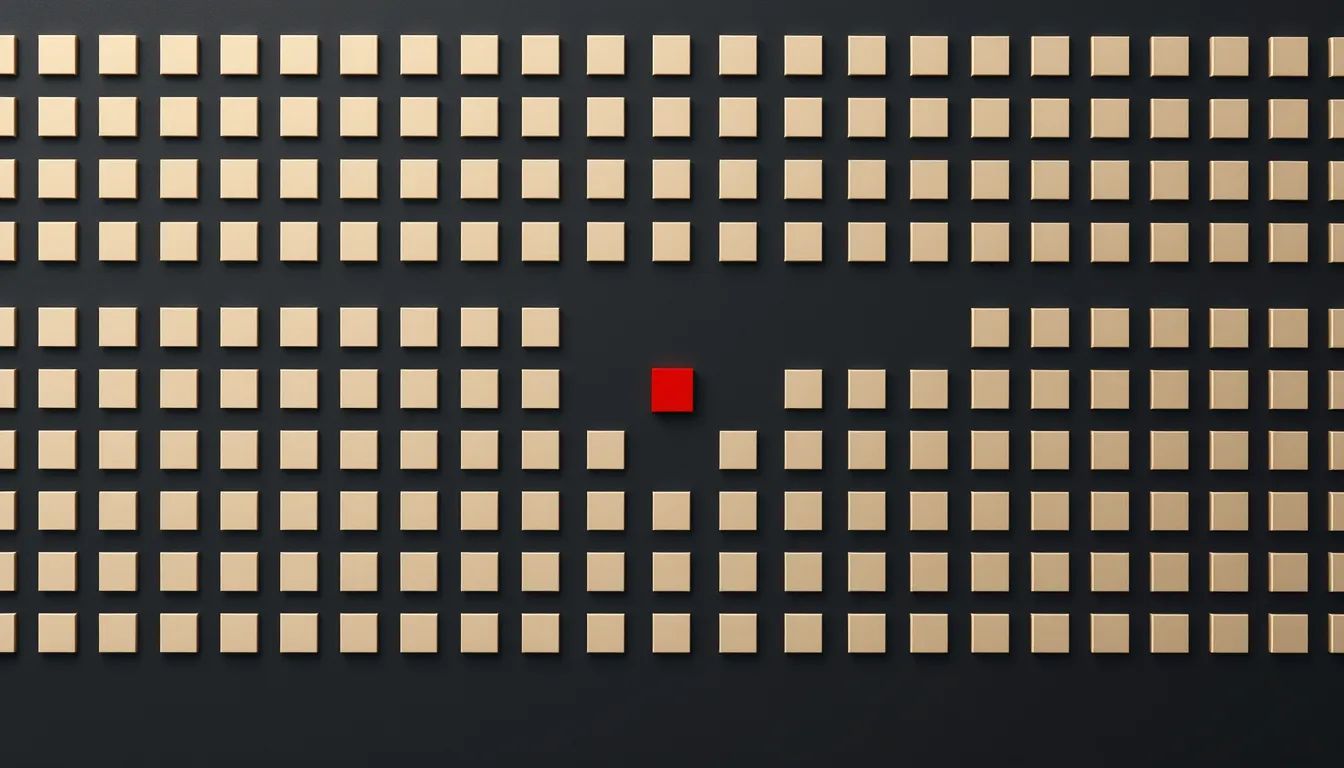
Every place has a baseline: the pace people move at, who's usually around. A void deck at 7pm has one; a carpark stairwell at midnight has a different one. Most of it is absorbed within the first thirty seconds of arriving, the same way you'd notice if your own living room had been rearranged.
An anomaly is anything that breaks the baseline: someone standing still where everyone else is moving, or a car idling with its lights off while every other car is moving. Neither means anything on its own. Noticing it is the entire skill; what happens next is a different question, covered elsewhere on this site.
Cooper's colour code, and why condition yellow is the actual target
Jeff Cooper, a US Marine Corps officer and firearms instructor, described this framework for state of mind under threat in his book Principles of Personal Defense. It was built for armed forces and law enforcement, decades before anyone applied it to a walk to the MRT, and it has never been tested as science; it's a heuristic, not a measured model. It has still held up as a genuinely useful way to talk about readiness, which is why self-defense training everywhere, including here, still teaches some version of it.
Cooper's four conditions were about lethal decision-making. The everyday version is softer: the goal is living comfortably in the second one, not climbing toward the most alert state. Here's the version JF teaches:
| Condition | What it feels like | What it actually is |
|---|---|---|
| White | Checked out: phone up, headphones in, nothing held in reserve | The default for a desk. Not for a dark street |
| Yellow | Relaxed, present, running without conscious effort | The target state for an ordinary day outside |
| Orange | Something specific has pulled your attention | Reading one person or one detail, deciding what's next |
| Red | A decision has already been made | Acting, not still assessing |
Most of a normal day is spent in White, which is fine at a desk or at home with the door locked. It stops being fine on a dark street at 11pm with groceries in each hand. Everything that follows, how scanning works, where distance and exits fit in, is aimed at making Yellow the default the moment you step outside, nothing more dramatic than that.
Scanning, not fixating
Scanning is moving your attention across an environment in a steady loop, brief and repeated. Fixating is the opposite: attention locked onto a single point, usually because it's engaging, sometimes because it's worrying. A phone screen fixates you. So, less obviously, does a worry you can't put down. Neither is wrong on its own, but both are incompatible with scanning at the same time, because attention doesn't split. It switches, and switching has a cost.
The phone is the single biggest reason scanning fails now. Head down at a screen costs more than your line of sight: peripheral vision goes with it, and a lot of what scanning catches, someone's approach from an angle, a shift in a group's shape across the street, happens in the periphery first. Add headphones and hearing goes too. The fix is simple: choose the moment. Glance at a message on the lit stretch with people around, not on the dark stretch between streetlights.
The three-minute daily habit that changes how a predator reads you covers the other half of this: posture and attention as seen from outside, not what you're taking in.
Distance and exits, decided before you need them
Distance and exits are decisions, and decisions made in advance are faster and calmer than the same decisions made under pressure. Walk into any space, a coffee shop or a train carriage, and there's a version of you that has already clocked the doors and what's within arm's reach, before any of it matters. That's not vigilance in the dramatic sense. It's closer to knowing where the toilets are in a building you visit often: useless, until the one moment it isn't.
There's a mirror version of all this, read from outside rather than in. How attackers actually choose who to target covers the same ground from the other direction: not what you're noticing, but what's being read off you while you're not. Distance kept and an exit already known are two of the plainest ways to read as expensive rather than easy.
The walk home after a long shift is the one that matters most
Awareness runs like a battery that starts the day full and drains with use, not like a fixed resource you either have or don't. The version of you scanning well at 9am isn't the version doing it at 11pm after a ten-hour shift and a bag of groceries in each hand. None of the habits above disappear when you're tired; they just get slower and less automatic, exactly when the walk home is longer and darker than the one you did in daylight.
This is exactly when the phone comes out the most and the exits get thought about the least, which is backwards. A tired brain defaults to whatever's easiest, and scrolling is easier than scanning. The fix isn't more discipline at 11pm, when discipline is already scarce. It's deciding the habits in advance, at 9am, so they run without a decision being needed later.
Singapore is safe. That's exactly why this still matters.
Singapore ranked second in the Economist Intelligence Unit's Safe Cities Index in 2015, 2017 and 2019, then third in 2021, comfortably inside the top three each time. That ranking is real, not a marketing line, and it's also why this subject gets waved off so often. Low overall crime changes the shape of what happens rather than erasing it: the incidents that do happen tend to be less anticipated, by the people they happen to and often by the people nearby, because everyone's working assumption is that nothing happens here.
Safe, statistically, is an average across an entire population, not a promise about any one specific night. The habits here cost nothing and take no special equipment. They're aimed at exactly that gap: the rare moment inside an overwhelmingly safe city, not a threat that doesn't exist.
Common questions
Is situational awareness the same as being paranoid?
No, and the difference matters more than the similarity. Paranoia narrows what you notice down to threats and shrinks where you're willing to go. Real awareness widens what you notice, and done well makes the world feel more open, because you're reading it accurately instead of guessing. Aware without tipping into paranoid covers this distinction in more depth.
Can you be too aware of your surroundings?
You can overdo the intensity, not the underlying skill. Living in Condition Orange all day, treating every stranger as a specific threat, is exhausting and unsustainable, and it isn't what this teaches. The target is Condition Yellow: relaxed, running in the background without conscious effort. If a walk starts feeling heavier instead of automatic, dial the intensity down. That's not evidence the idea doesn't work.
How long before this becomes a habit instead of an effort?
Faster than it feels at first. Once the habits run consistently, even in short daily doses, they stop requiring conscious effort, the same way a new route to work stops needing a map after enough repeats. The effort is front-loaded: it gets cheaper the longer you keep at it, not harder.
Does staying aware actually prevent something from happening?
Awareness changes the odds without guaranteeing any single outcome, and no one honest in this field will claim otherwise. Most of what it actually buys is early warning and more time to choose, whether that means crossing the street or simply reading as expensive rather than easy before a confrontation is even on the table. That's a real, measurable advantage, because nothing in personal safety comes with a guarantee attached.
None of this requires a black belt or a background in security to start. It requires noticing, on purpose, on whatever walk is already on tonight's calendar. The physical skills for the rare moment awareness alone doesn't cover, once avoidance has already failed, are what actually happens in the room at JF's programmes.